Market outlook
Rising Outlook 8/10
High-end old-border Reserved List staples tend to appreciate over time as supply tightens and collector demand persists. Beta copies of dual lands are especially insulated by scarcity and iconic status.
Next months. Likely stable to slightly rising, with strong performance for well-centered, high-grade, or professionally authenticated copies.
Long term. Expected to remain a blue-chip Magic collectible with gradual appreciation, especially for higher-grade Beta examples.
History
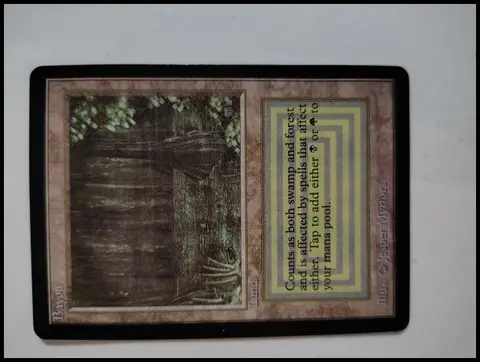
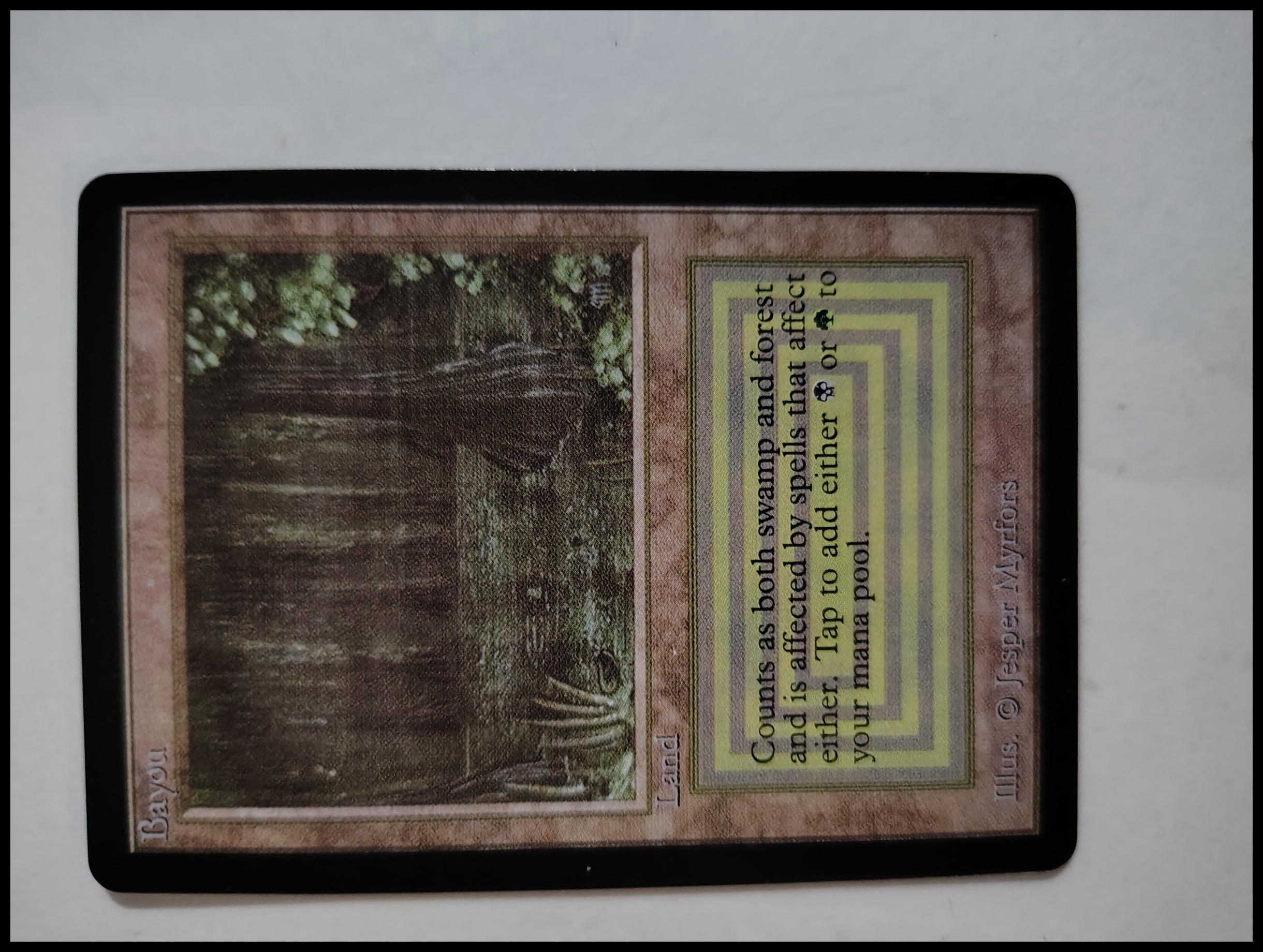
Bayou is not a character or player card; it is a land card representing a swampy bayou/marsh environment in Magic: The Gathering. As one of the original dual lands, it became significant because it provides both black and green mana without entering tapped, making it a foundational card in eternal formats and a highly prized collector piece.
First released in Limited Edition Beta in 1993 as card #279, one of the original Magic: The Gathering sets.
- Bayou is one of the ten original dual lands from Alpha/Beta/Unlimited and is on the Reserved List.
- It was printed in Beta, then later reprinted in Revised and some later supplemental products, but the original Beta printing is among the most collectible versions.
- Market data shows Beta Bayou is typically valued around the low-thousands USD in raw/graded market listings, reflecting strong demand for original dual lands.
Collector notes
Condition. Check for whitening on edges, corner wear, surface scratching, and centering, which strongly affect value on Beta-era cards. Dual lands are often found with shuffled play wear, so even light edge nicks and surface haze can materially reduce grade.
Storage. Store in a penny sleeve and rigid top loader or semi-rigid holder, keep away from humidity and UV light, and avoid repeated handling. For high-value copies, use archival storage and stable temperature to preserve print quality and edges.
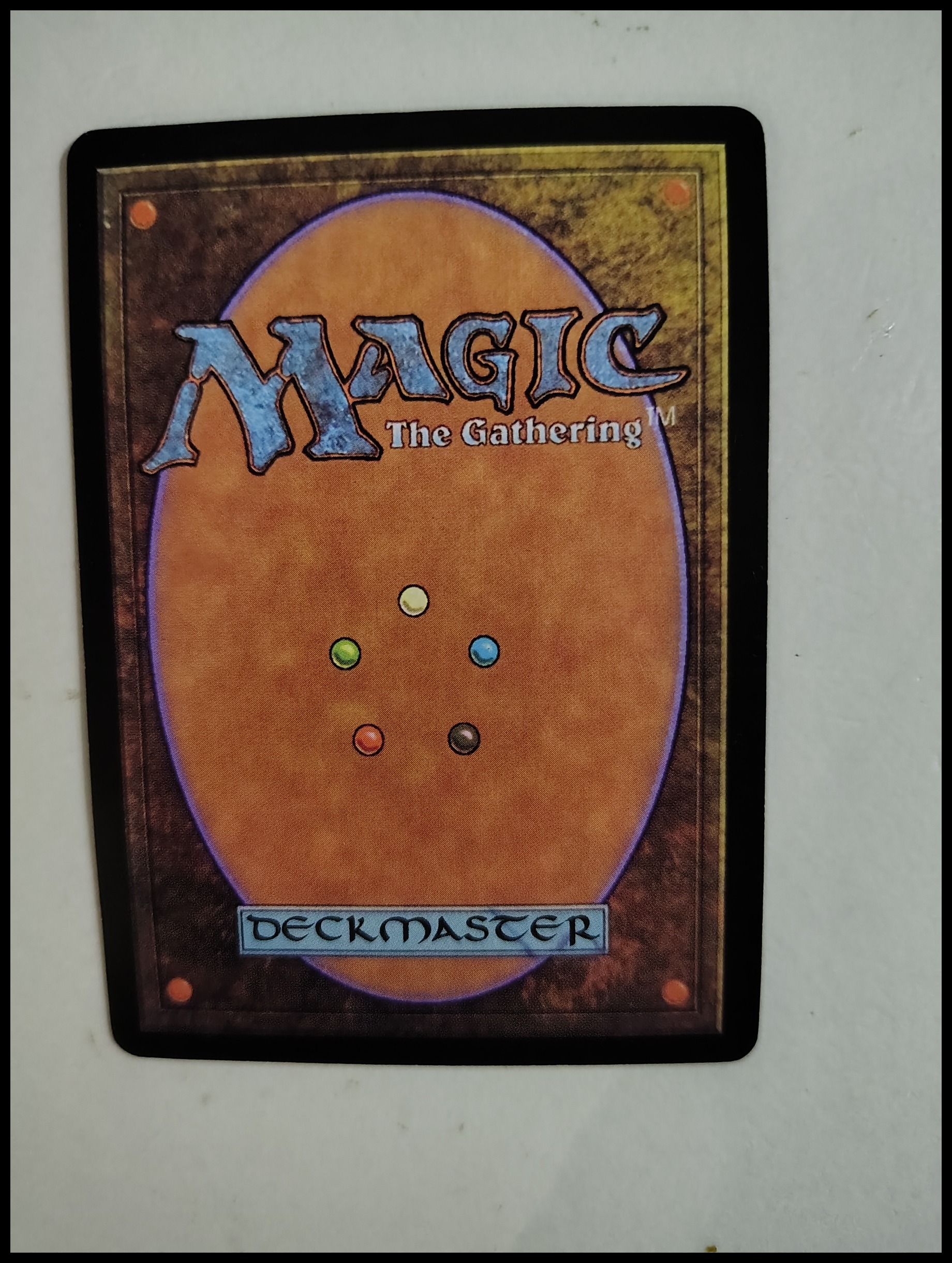
Authenticity. Authentic Beta cards should show the characteristic old-border print pattern, appropriate cardstock, and age-consistent wear. Compare text alignment, rosette/print pattern, black border quality, and wear to known authentic examples; suspiciously sharp corners, modern gloss, or mismatched stock can indicate alteration or counterfeit/rebacking. Professional grading is recommended for valuable copies.