Market outlook
Rising Outlook 7/10
Interest in iconic villains, especially Blackbeard, tends to remain strong over time, and alternate-art One Piece cards often benefit from gradual long-term collector absorption as sealed supply is opened and graded copies become scarcer.
Next months. Likely to remain relatively stable to modestly rising, with occasional spikes if Blackbeard receives major anime/manga attention or if graded demand increases.
Long term. Over 1-3 years, the card should trend upward gradually if One Piece collecting momentum remains strong, though gains are likely to be steady rather than explosive compared with manga rares or top chase cards.
History
Marshall D. Teach, also known as Blackbeard, is one of the most important antagonists in One Piece and a central figure in the series’ power struggle. He is the captain of the Blackbeard Pirates, a Yonko (one of the Four Emperors), and is infamous for his ruthless ambition, cunning strategy, and rare ability to wield multiple Devil Fruits. In the card game, he represents the Blackbeard Pirates’ heavy-control playstyle and is a marquee character from the Emperors in the New World era.
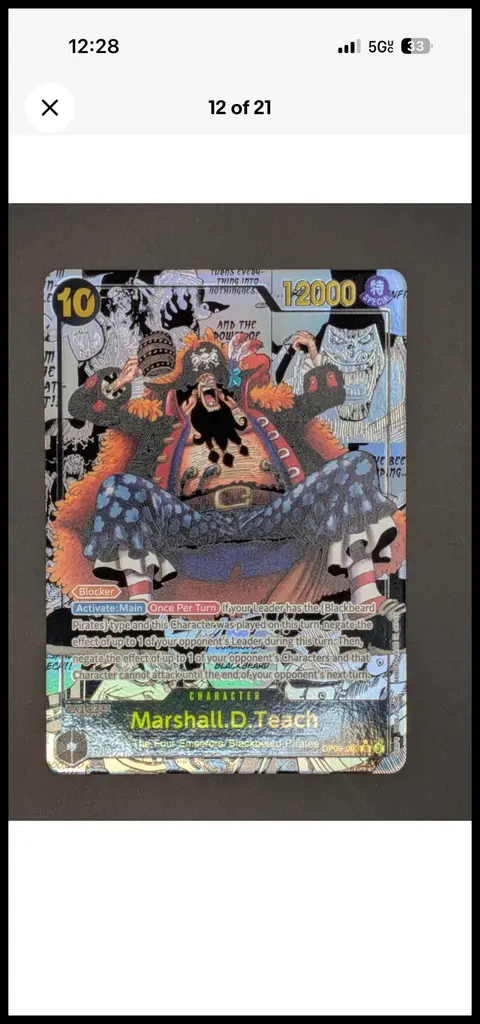
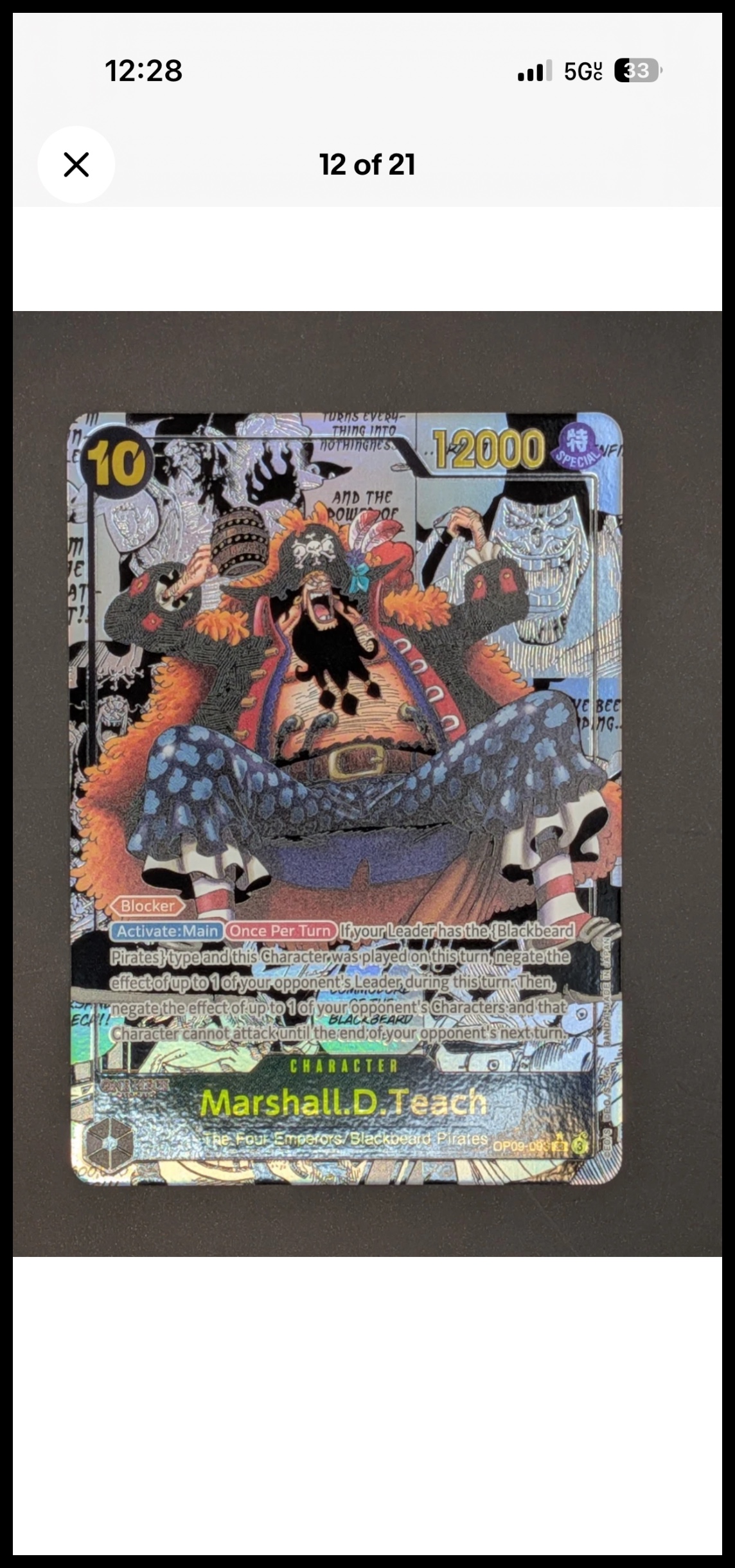
First released in English in December 2024 as part of the Emperors in the New World [OP-09] set, card number OP09-093. The alternate-art version is the chase variant of the Super Rare printing.
- OP09-093 is a Super Rare Black character with 10 cost and 12000 power.
- The card has strong synergy with Leaders that have the {Blackbeard Pirates} trait, enabling disruptive lockout effects the turn it is played.
- The manga/alt-art style print is significantly scarcer and more valuable than the regular SR version, making it a key collector chase card from OP-09.
Rarity and print run
- Tier
- Ultra Rare
- Print run
- High
- First printed in
- Emperors in the New World
- Demand
- High
- Supply
- Medium
- Alternate-art foil version has lower pull rates than the regular SR print.
- Blackbeard is a top-tier fan-favorite villain with sustained long-term collector interest.
- Playable relevance can support demand, but collector premium is mainly driven by character popularity and art variant appeal.
Collector notes
Condition. Check for edge whitening, corner wear, surface scratching in the dark black background, and centering on the alternate-art foil. Foil cards from One Piece commonly show visible scuffs, print lines, and subtle roller marks, especially on darker areas.
Storage. Store in a penny sleeve and a rigid top loader or semi-rigid holder immediately after inspection. Keep away from humidity and sunlight, and consider grading if the card is pack-fresh or appears gem-mint due to strong collector demand for the alt-art version.
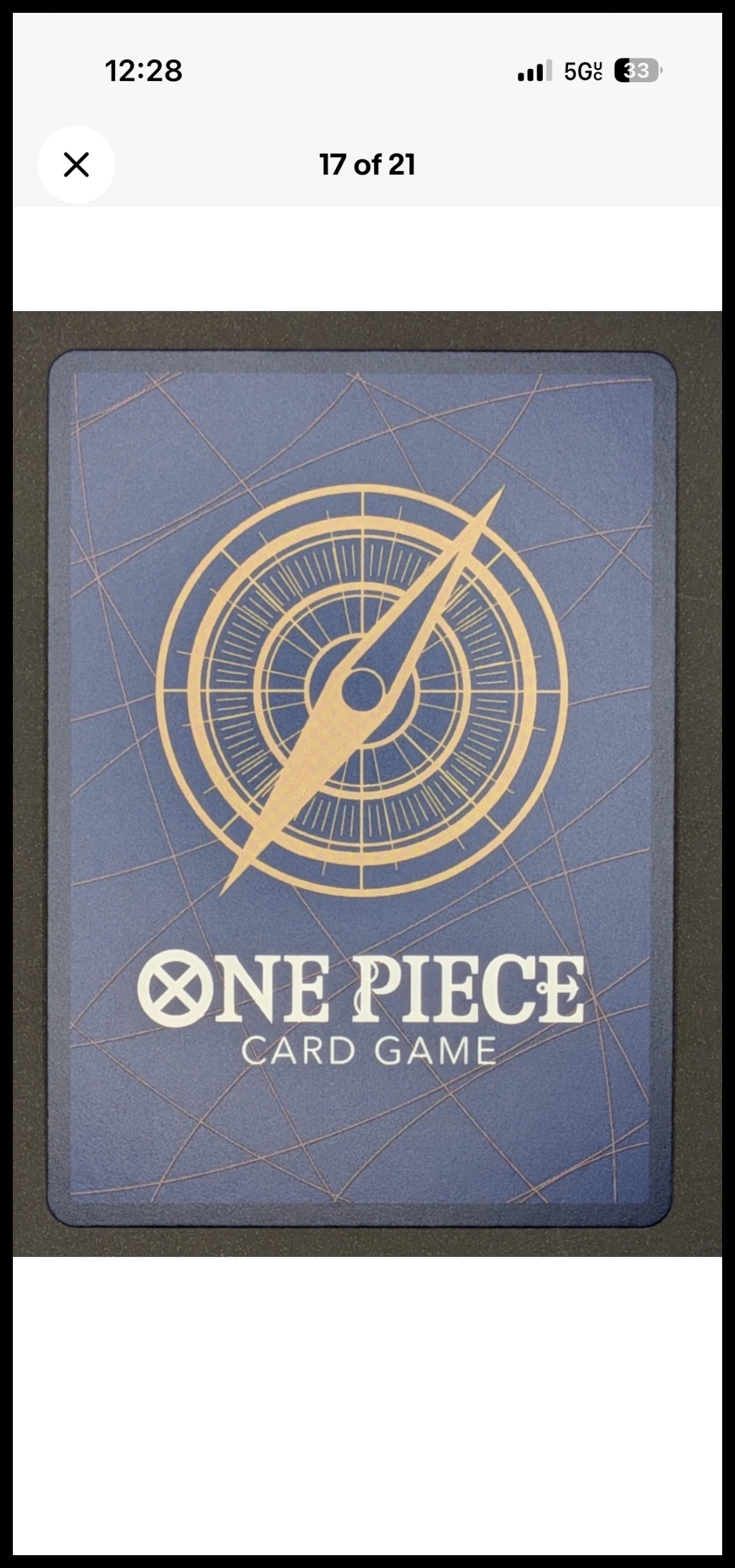
Authenticity. Verify the texture, foiling pattern, font sharpness, and back-card coloration against a known authentic One Piece card. Counterfeits often have blurry text, flat foil, incorrect saturation, or inconsistent card stock thickness. Compare the card number OP09-093 and set logos carefully; for graded copies, confirm the label matches the card and variant exactly.
Sources: pricecharting.com, sportscardinvestor.com, snkrdunk.com, onepiece.limitlesstcg.com, tcgplayer.com