Market outlook
Stable Outlook 7/10
Modern Japanese special arts typically experience an initial release spike, then settle into a steadier collector market unless the Pokémon becomes especially meta-relevant or receives renewed attention. Current price data suggests the card has already moved into a relatively mature post-release pricing band.[3]
Next months. Likely to remain range-bound with modest volatility, with small gains possible for gem-mint copies if sealed supply tightens.
Long term. Over 1-3 years, gradual appreciation is possible if Iron Boulder remains a favored Paradox Pokémon and SAR demand stays strong, but gains are more likely to be moderate than explosive.
History
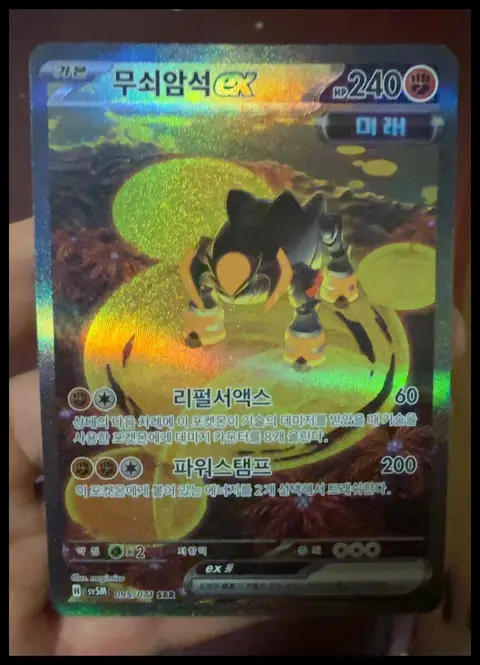
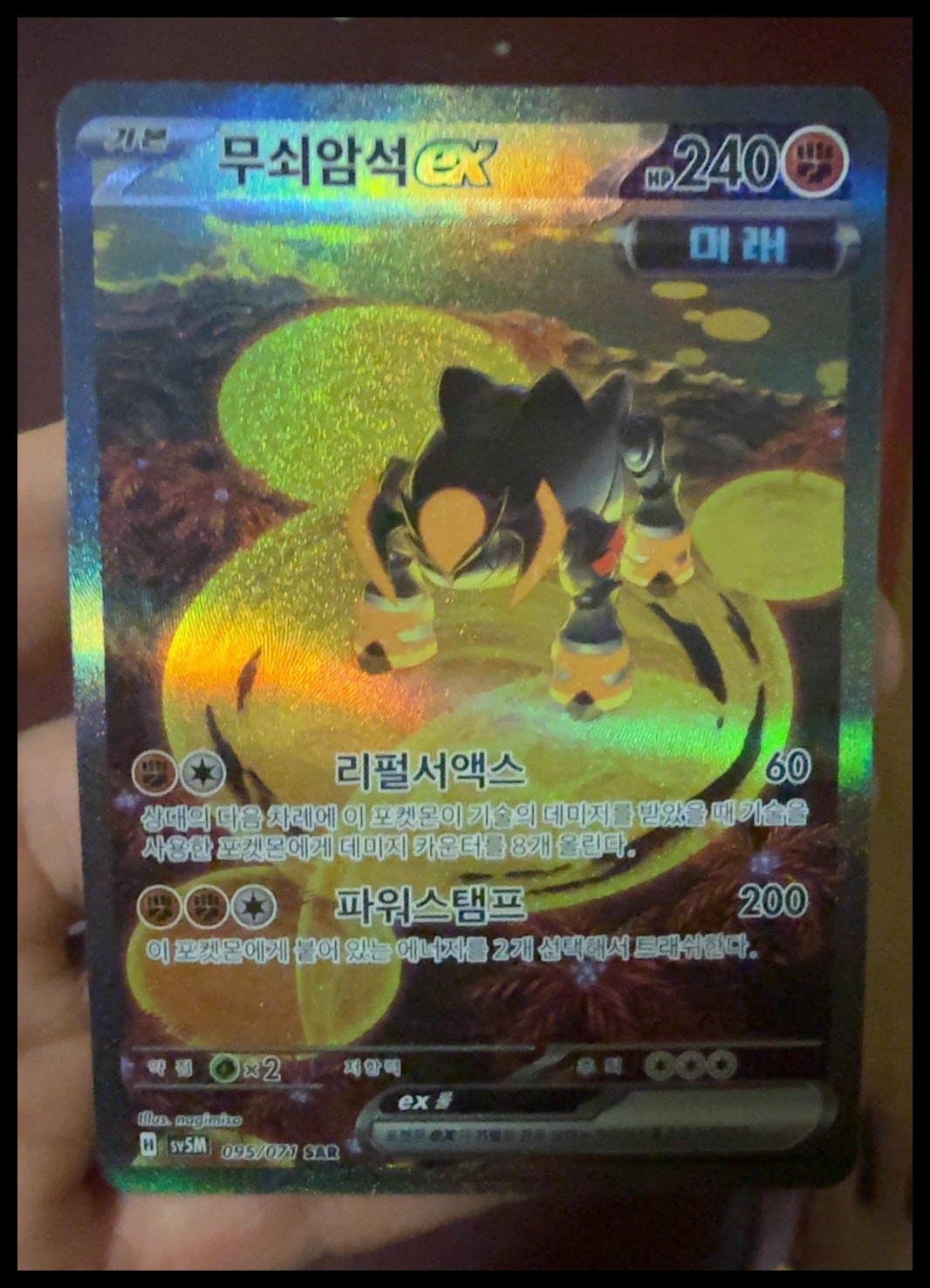
Iron Boulder ex is a Paradox Pokémon from the Pokémon Scarlet and Violet era, introduced as part of the future-themed Paradox group associated with Area Zero lore. In the Trading Card Game, Iron Boulder ex represents this futuristic, mechanical dinosaur-like Pokémon as a Fighting-type Basic ex card. The card’s significance comes from being one of the headline Paradox ex Pokémon in the Scarlet & Violet expansion era, and it also appears in Cyber Judge alongside other future Paradox Pokémon such as Iron Crown ex and Iron Leaves ex.[2][5]
This card was first released in Japan in the Cyber Judge expansion on January 26, 2024.[2][5]
- Cyber Judge was released as the Japanese SV5M expansion and is the second half of the paired Wild Force/Cyber Judge release.[2]
- Iron Boulder ex appears in multiple rarity versions within Cyber Judge, including a standard Ultra Rare-style print, a Double Rare version, a Super Rare version, and a Secret/Ultra Rare-style card numbering beyond the main set line.[1][4][6][7]
- PriceCharting tracks the SAR/full-art style Iron Boulder ex #95 at materially higher values than the regular printings, indicating collector demand is concentrated in the special-art version.[3]
Collector notes
Condition. Check for whitening on corners and edges, surface scratches in the holo/full-art layer, print lines, centering, and any warping from humidity or sleeve pressure. SAR/full-art cards are especially sensitive to visible surface marks and edge wear because dark and textured artwork makes flaws easier to see.
Storage. Store the card in a penny sleeve inside a semi-rigid holder or top loader, keep it away from sunlight, heat, and moisture, and use a fitted binder only if the card is not being graded. For long-term preservation, maintain stable temperature and low humidity and avoid repeated handling without gloves or clean hands.
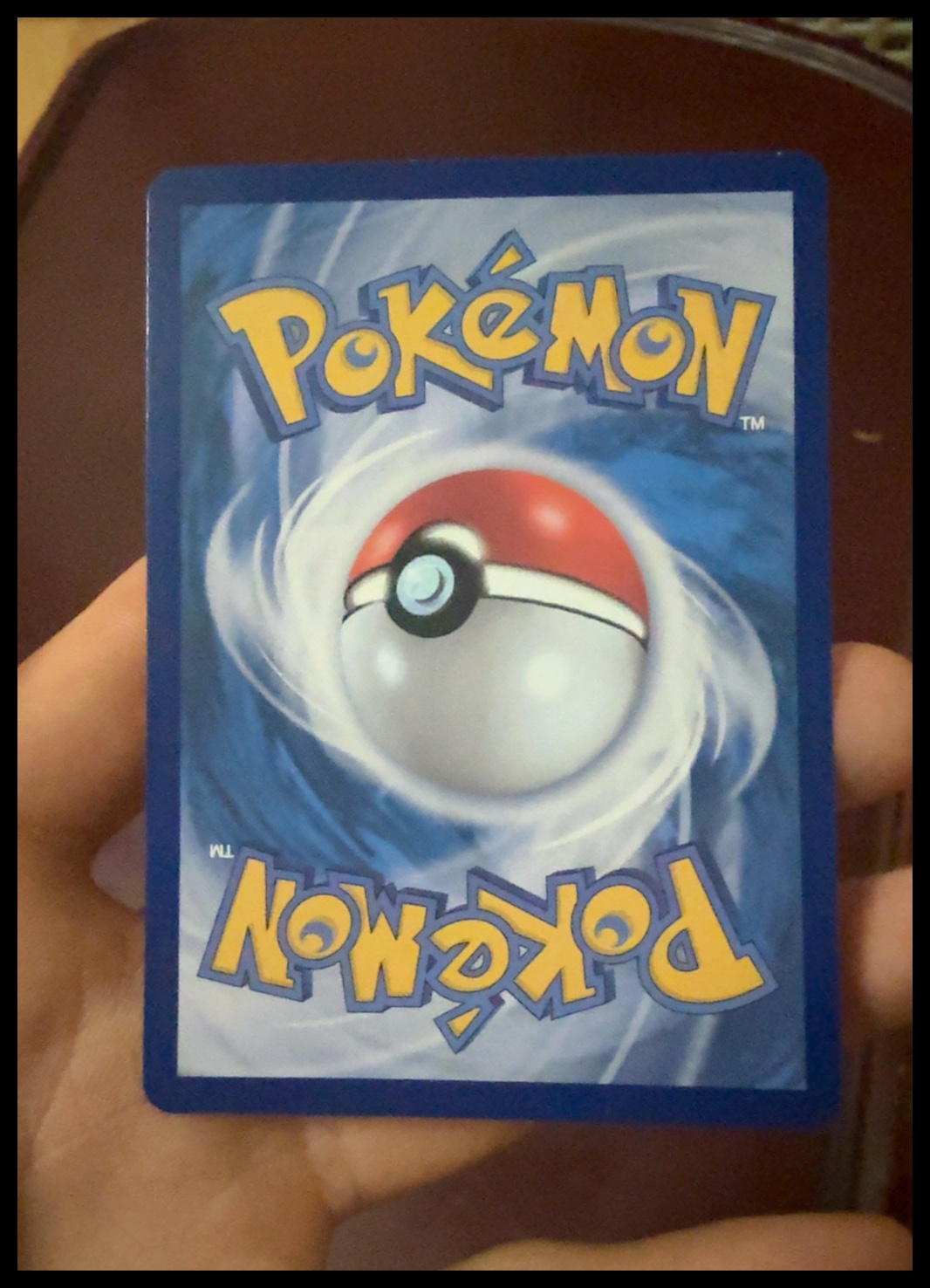
Authenticity. Authentic copies should match Japanese print quality, correct set symbol, numbering, font, and holo texture. Watch for blurry text, incorrect card stock gloss, off-color printing, misaligned borders, and inconsistent texture on the full-art finish. Because high-value Japanese special arts are frequently counterfeited, compare the texture pattern, lighting behavior, and back-side color saturation against verified examples.